In India, millions of people do not have a fixed source of income and struggle daily to meet basic needs like food, medicines, and shelter. Elderly citizens who are no longer able to work, widowed women living alone, and persons with disabilities face even greater hardships. Rising prices and increasing expenses have made life difficult for these groups, making government support essential for their survival and dignity.
Pension schemes run by the central and state governments play a crucial role in providing financial stability to these vulnerable citizens. These schemes offer regular monthly payments, enabling beneficiaries to manage essential expenses without complete dependence on family or others. For many people, pensions are not just financial assistance—they provide a way to live with dignity and self-respect.
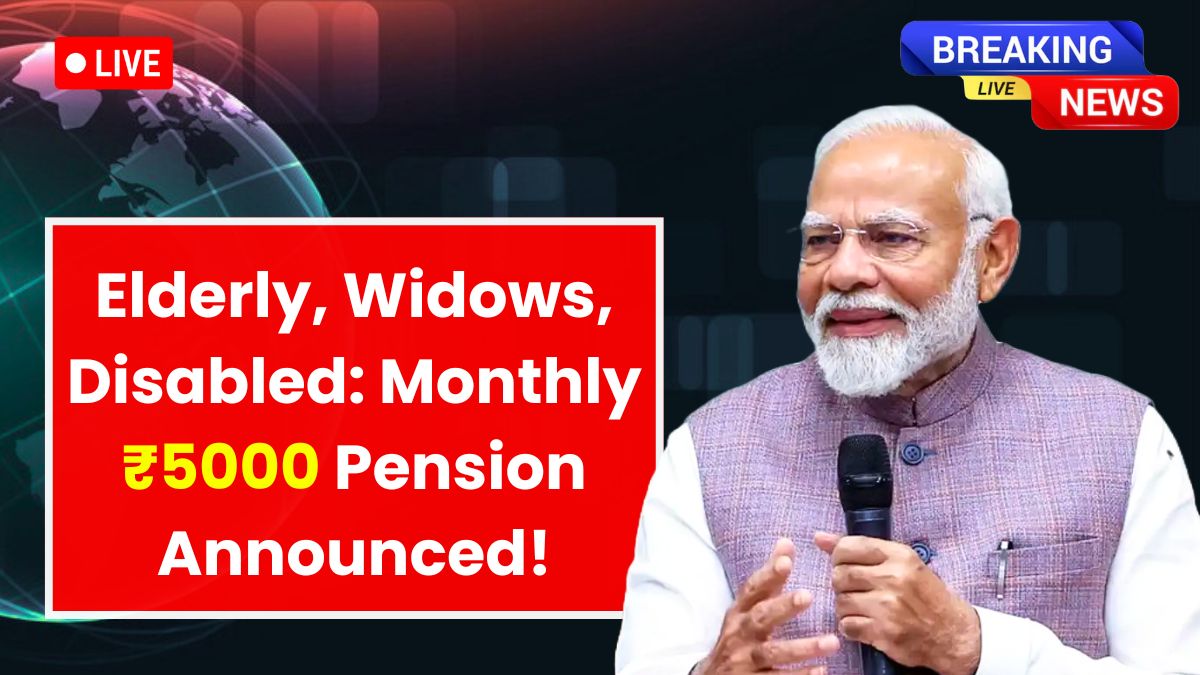
Recent reports suggest that the government is considering a significant increase in pension amounts in 2026. Currently, most states provide around ₹3,000 per month to eligible beneficiaries. Under the proposed change, this amount could rise to between ₹4,500 and ₹5,000 per month, likely starting in January 2026, although an official announcement is yet to be made. This increase would bring substantial relief to millions of families, helping them afford necessities such as food, medicines, and basic household items more comfortably.

The pension schemes are jointly funded and implemented by both central and state governments. Payments are made directly to beneficiaries’ bank accounts through the Direct Benefit Transfer system. This digital method ensures transparency, reduces corruption, and eliminates the need for middlemen. Beneficiaries no longer need to visit government offices repeatedly, as the pension amount is deposited directly, making the process efficient and reliable.
To receive pension benefits, applicants must meet eligibility criteria, including being an Indian citizen, meeting age requirements for old-age pensions, and providing proof for widow or disability pensions. Annual income limits ensure the pension reaches those genuinely in need. Applicants are required to submit documents such as Aadhaar or other government ID, proof of residence, bank account details, income certificate, and relevant certificates for widows or persons with disabilities.
Most states now allow online applications through their Social Welfare Department websites. Citizens can fill out forms, upload documents, and submit applications digitally. A reference number is generated to track the application status.

Overall, pension schemes provide financial security and independence to elderly citizens, widows, and persons with disabilities, improving their quality of life and reducing social inequality. The proposed increase in 2026 could significantly enhance living standards by supporting better nutrition, healthcare, and overall well-being.
Disclaimer: This article is for general informational purposes only. Pension scheme rules, eligibility criteria, benefit amounts, and timelines may vary by state and are subject to government decisions. Readers should verify all details from official government sources before applying or drawing conclusions.