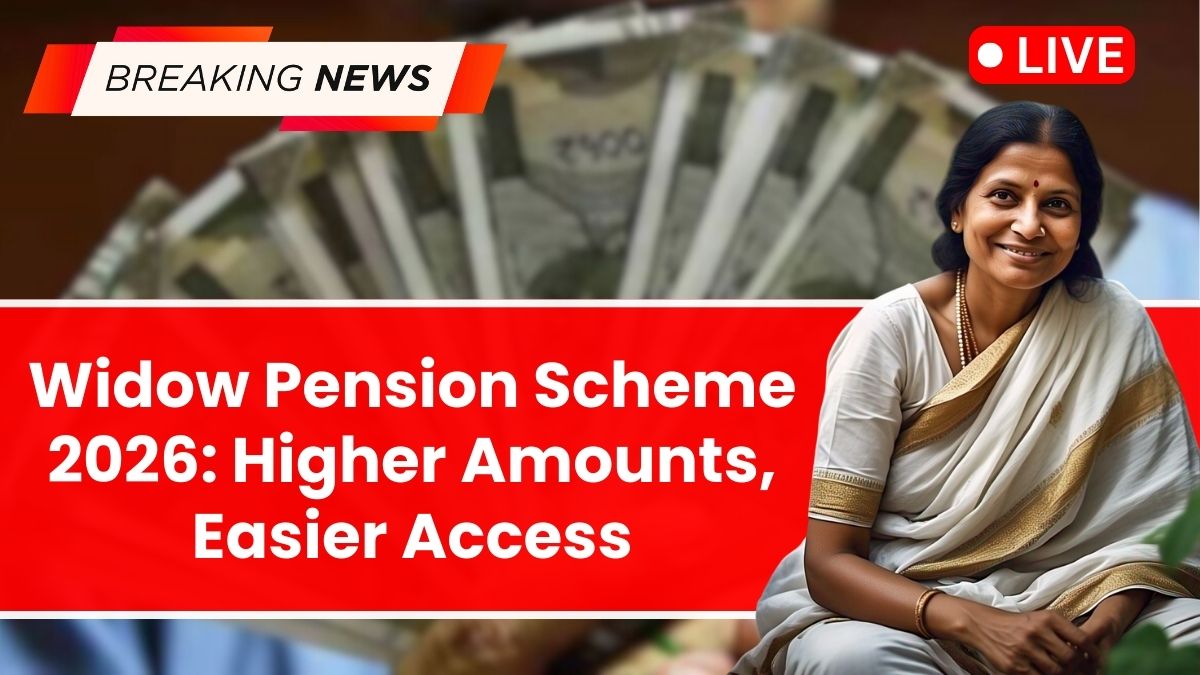
For widowed women across India, financial stability is closely connected to dignity, independence, and peace of mind. The loss of a spouse often brings emotional pain along with sudden economic challenges. In this context, discussions around the Widow Pension Scheme 2026 have gained importance. The focus of these discussions is to make the scheme more practical and supportive so that it serves as real social security rather than symbolic help.
Why the Widow Pension Scheme Matters
Widowed women are among the most vulnerable groups in society, especially those from low-income families. Many face limited job opportunities, social restrictions, and long-term financial insecurity. A monthly pension helps them meet basic needs and reduces dependence on relatives or informal support. The proposed updates for 2026 reflect the understanding that welfare schemes must grow with rising living costs and changing family realities.

Expected Increase in Pension Amount
One of the key changes being discussed is an increase in the monthly pension amount. In many states, current pensions are very low and often insufficient for daily needs. Under the proposed approach, some states may raise the pension to around ₹3,000 per month. This increase is expected to help widowed women manage food expenses, basic healthcare, electricity bills, and household needs more comfortably.
Improving Quality of Life Through Financial Support

A higher pension is not just about money. It can mean better nutrition, timely medical care, and reduced stress. Regular income allows widowed women to make small but important decisions on their own. This sense of control improves confidence and emotional well-being, helping them live with greater stability and self-respect.
Changes in Eligibility Rules
Eligibility rules are also under review for 2026. Earlier schemes often had strict income and age limits that excluded many deserving women. The proposed changes suggest revising income limits to match current living costs and relaxing age conditions in some cases. This is especially important for younger widows who may have children, limited work experience, or no family support.

Simplifying the Application Process
Another major focus is making the application process easier. Authorities are considering simpler online systems, fewer document requirements, and faster verification. At the same time, offline support through welfare offices and service centers will continue for women who are not comfortable with digital platforms. This balanced approach aims to ensure no one is left out.
Direct Bank Transfers and Transparency

The pension will continue to be paid through Direct Benefit Transfer into bank accounts. This system ensures timely payments, reduces delays, and improves transparency. It also encourages financial inclusion by helping women maintain active bank accounts.
A Step Toward Dignity and Stability
The Widow Pension Scheme 2026 aims to provide more than basic survival support. By improving pension amounts, expanding eligibility, and simplifying access, the scheme seeks to offer dignity, safety, and independence to widowed women. While final decisions will depend on official approvals, these discussions signal a positive shift in social welfare thinking.

Disclaimer:
This article is for general informational purposes only and is based on proposed discussions and expected policy directions regarding the Widow Pension Scheme 2026. Pension amounts, eligibility conditions, and procedures may vary by state and are subject to official government notifications. Readers should verify details through authorized government sources or state welfare departments before making any decisions.